Keys are easy to lose, copy, and manage poorly—especially as teams grow and staff change. Access control replaces traditional keys with controlled entry using fobs, cards, PIN codes, mobile credentials, or biometric options. For offices, gates, and shared buildings, access control offers better security, clearer accountability, and easier day-to-day management.
This guide explains the main types of access control, how to choose a suitable system, and how to design it for real-world use. Whether you need a simple door entry solution or a full multi-door, multi-site system, understanding the basics will help you invest wisely.
What access control does (and why it matters)
Access control allows you to decide who can enter, where they can enter, and when. Instead of changing locks after a lost key, you simply deactivate a credential. You can also generate logs that show entry events, which is useful for security reviews and incident investigation.
- Better security: Control who enters and when
- Audit trails: Logs of access activity
- Flexible management: Add/remove users quickly
- Reduced risk: Deactivate lost fobs instantly
Common access methods
Different buildings and use cases suit different methods. Many systems support multiple options at once.
- Fob/card: Simple and fast for staff entry
- PIN: Good for shared doors; requires code management
- Mobile: Convenient and modern; can reduce physical tokens
- Biometric: Strong security; must consider privacy policies
Office doors vs gates: different requirements
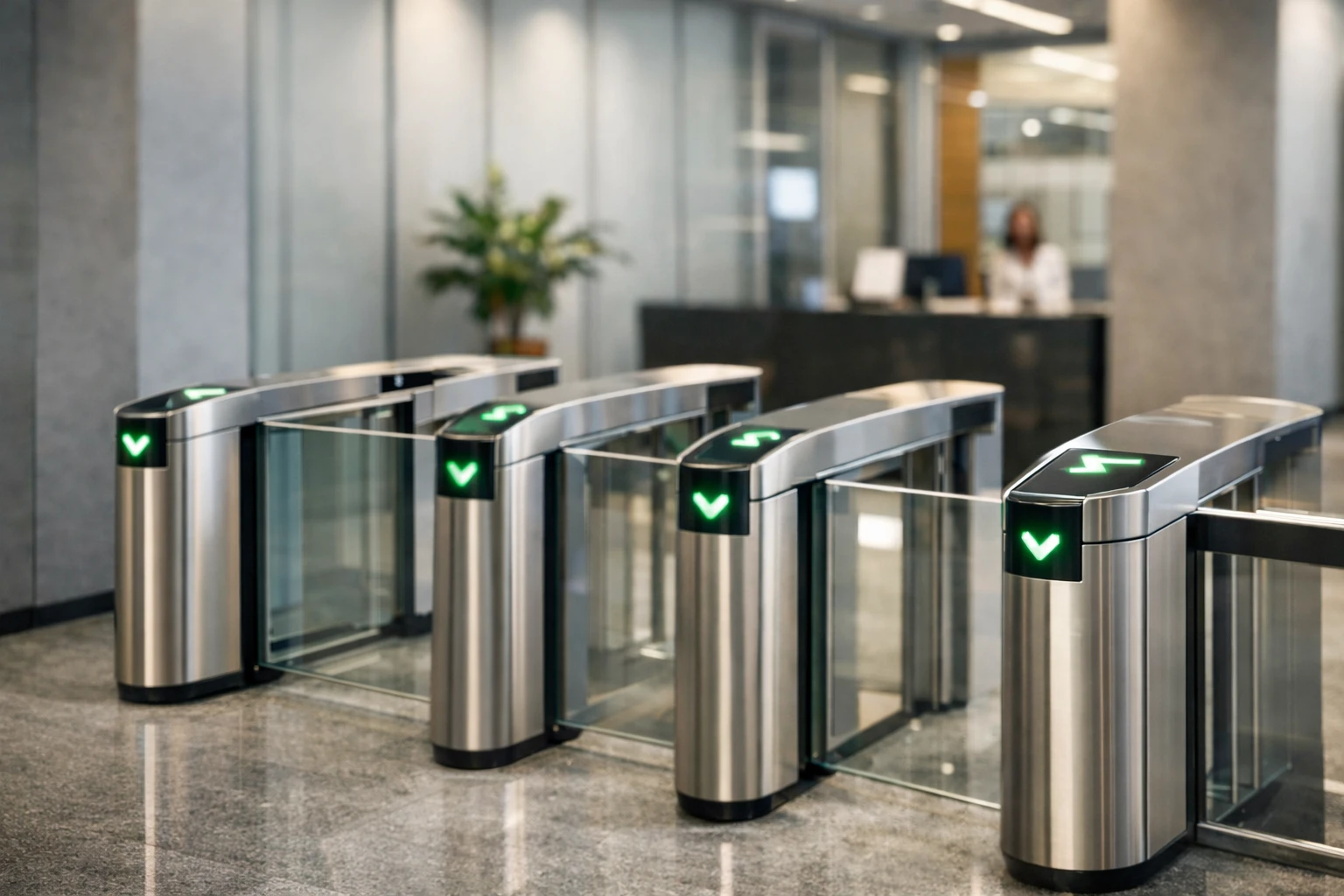
Office doors often focus on staff convenience and internal zoning—reception, server room, stock room, or private offices. Gates and external entrances focus on weather protection, vehicle entry, safety sensors, and sometimes intercom integration for visitor management.
Door entry and intercom integration
For many businesses, the best experience comes from pairing access control with a video intercom. Visitors call reception, you verify them on a screen or mobile app, and you release the door remotely. This improves security and reduces interruptions for staff.
Wiring and installation considerations
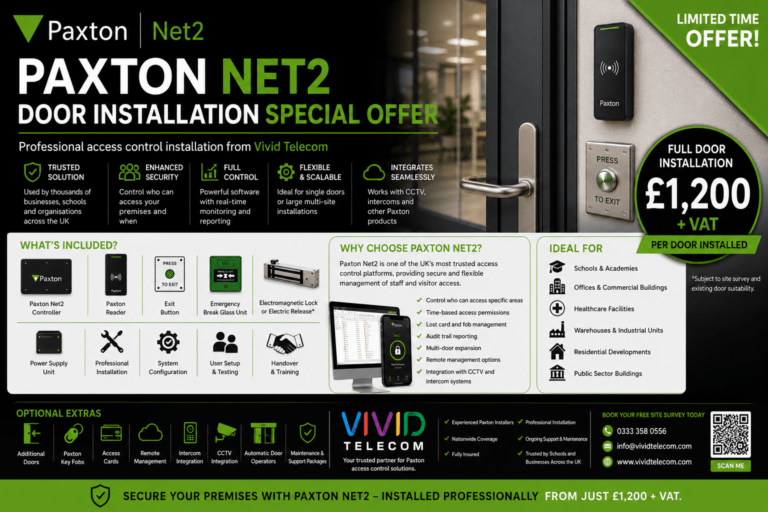
Access control can be wired or wireless depending on the system design and door structure. Wired is common for reliability, especially for commercial doors. A good installer will plan cable routes, power requirements, and secure placement of controllers. They will also ensure the door hardware is appropriate—electric strikes, maglocks, or motorised gates—with safety and compliance considered.
Managing permissions: the real power
Access control becomes more valuable as you start using permissions intelligently. For example, cleaning staff can have access to certain areas only during agreed hours. Contractors can be issued time-limited credentials. Managers can access the comms room, but general staff cannot.
- Role-based access (staff vs managers vs contractors)
- Time schedules (business hours only, or specific shifts)
- Area restrictions (server room access restricted)
- Temporary access (expiring credentials)
Multi-site access control
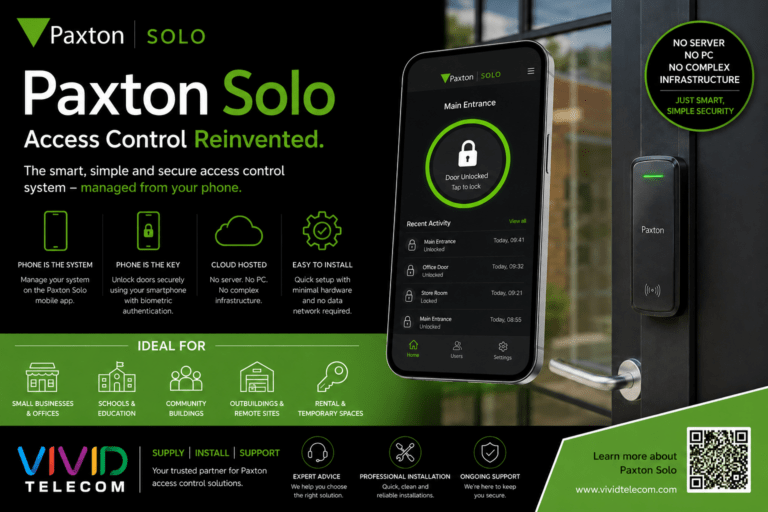
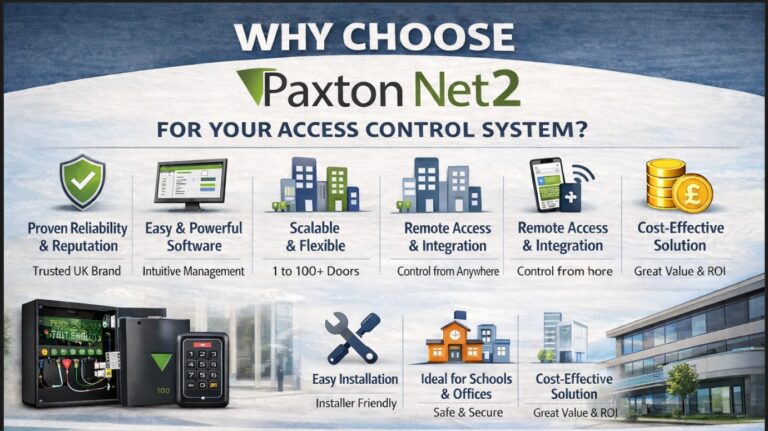
If you have multiple locations, cloud-managed access control can simplify administration. You can manage users centrally, apply consistent policies, and create reports without visiting each site. This is especially helpful for businesses with small satellite offices or multiple retail locations.
Combining access control with CCTV and alarms
Access control integrates well with CCTV and alarms. When a door is forced, you can trigger an alarm event and record a marked clip in CCTV. When staff enter out of hours, the system can log it and notify an admin. These combined workflows create stronger security with less manual effort.
What to look for in a solution
Choose a system based on the size of your premises, the number of doors, your visitor flow, and how quickly your team changes. Practical considerations include:
- Number of doors and gates now (and in 12–24 months)
- Need for video intercom and remote release
- Requirement for audit logs and reporting
- Preferred credential method (fob, PIN, mobile)
- Installation constraints (heritage building, thick walls, limited cabling routes)
Request an access control survey or call 0333 358 0556 to plan a secure, scalable setup.